

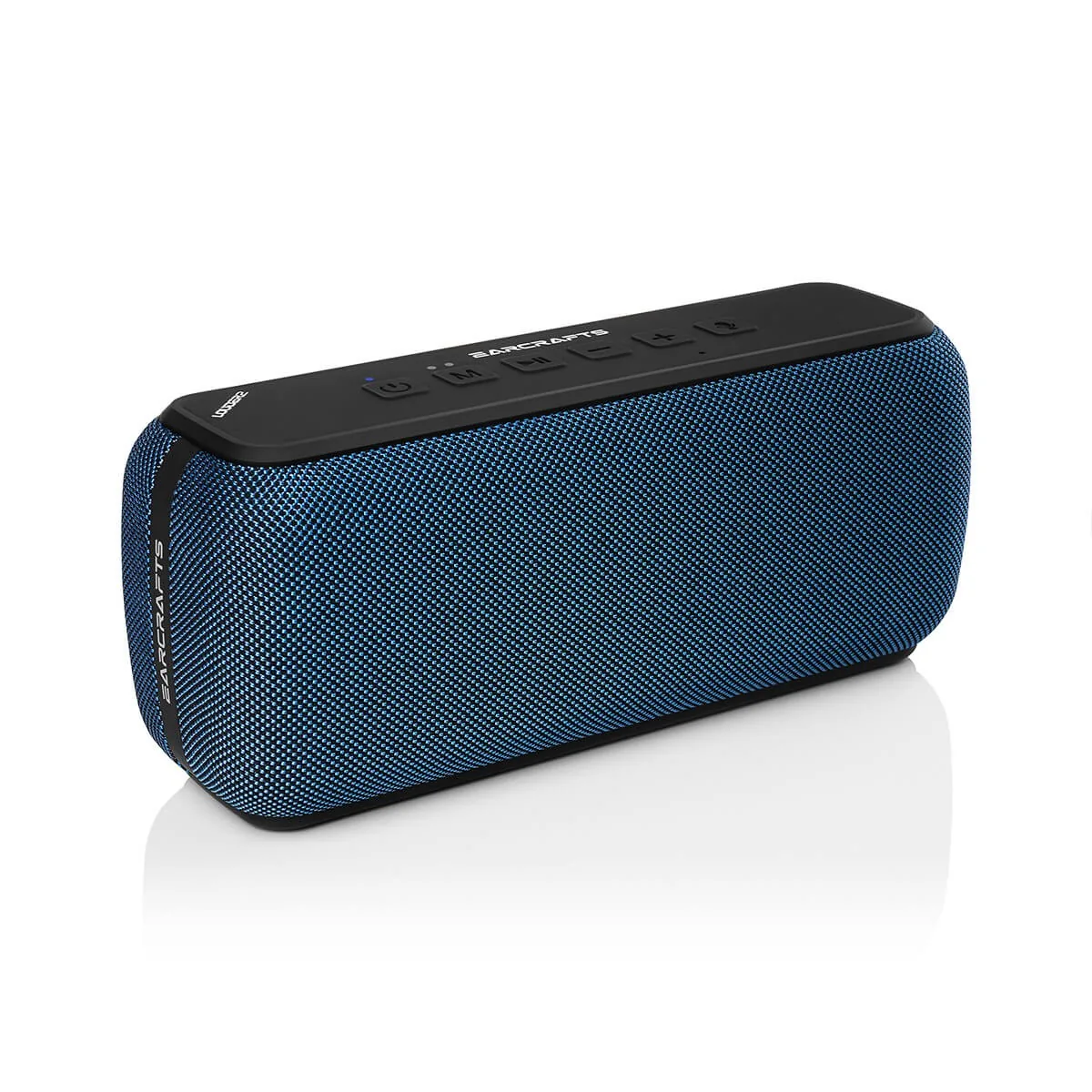
Most online shops start their product photography with packshots. They are the most common type of product photo, and yet there is often a big difference between a good packshot and an average one. I'll explain what a packshot is, where it works best and how to spot a good one.
What is a packshot
A packshot is a photo of the product alone on a clean, usually white background. No scene, no props, no people. It has one job: to show the customer exactly what they are buying.
The word combines “pack”, as in packaging, and “shot”, as in photo. Originally it meant a photo of a box or packaging. Today it is used for any product photo on a white or transparent background, whether it is a bottle, shoes, tools or electronics.
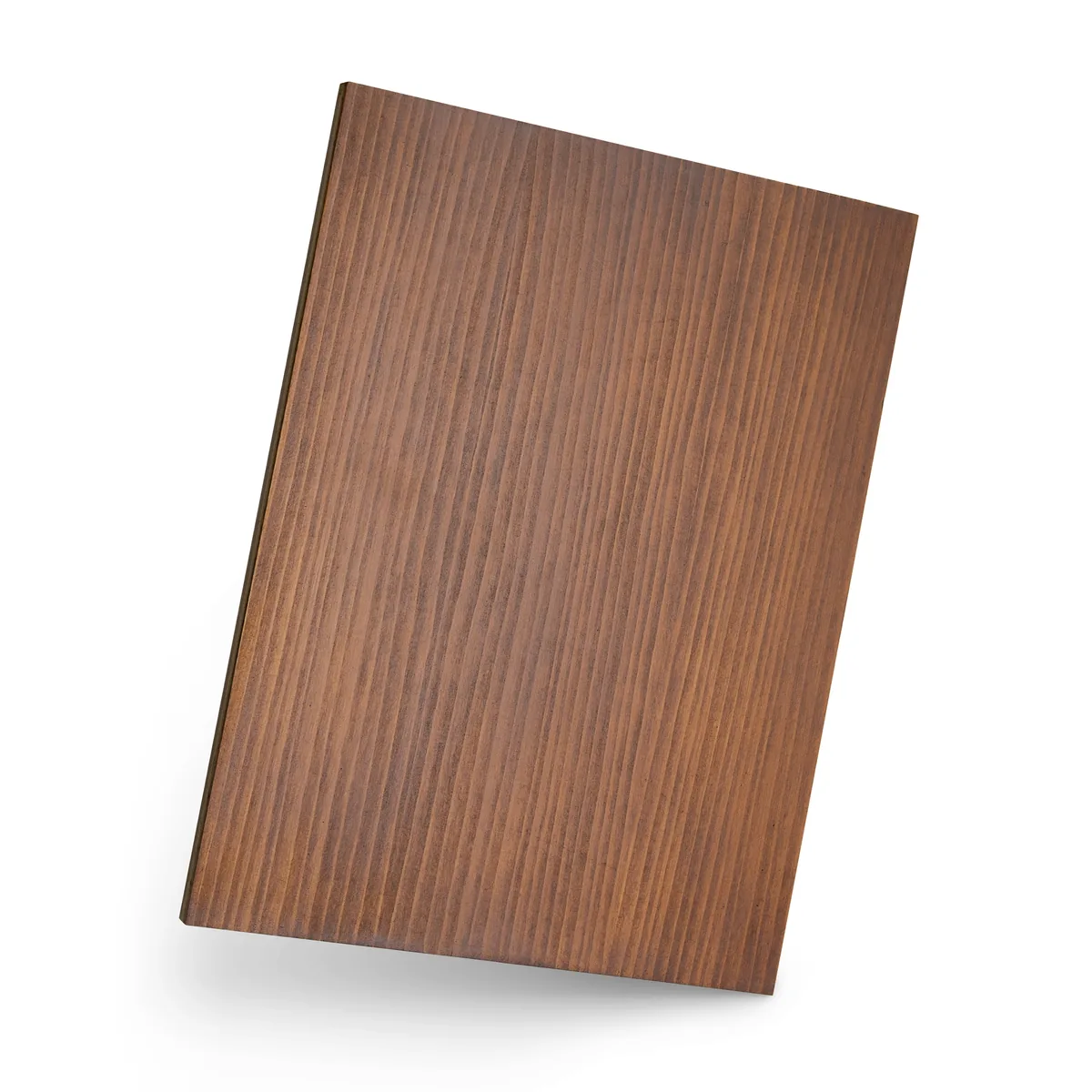
Packshot of an Adler wooden board on a pure white background.
Where a packshot works best
- The main photo in an online shop. When all products have the same background and lighting, the shop looks organised and customers find their way around more easily.
- Marketplaces. Alza, Allegro and Amazon all require a white background for the main photo.
- Price comparison sites. On sites such as Heureka, your photo appears right next to your competitors'. That is often where customers decide whose product to click on.
- Catalogues and wholesale materials, where products are lined up side by side.
How to spot a good packshot
At first glance a packshot looks simple: after all, it's just a product on a white background. The difference is in the details. Customers usually can't name them, but they can tell when something is off, and the shop then feels less trustworthy.
- A pure white background. Evenly white across the whole area, with no greyish or yellowish patches and no darker corners.
- Accurate colours. The product in the photo must be the same colour as the one that arrives at the customer's door. When the colour is off, returns go up.
- Sharp from front to back. The whole product is sharp, including the small print on the label. This is hardest with very small products such as jewellery, watches or cosmetic samples. In close-up shots only a thin slice is in focus, so several shots are taken, each focused on a different point, and then combined into one photo.
- Clean edges. The product has a crisp outline that doesn't blur into the background. This matters most with white products, glass and cylindrical items such as jars, bottles or cups.
- Reflections under control. On glass, metal and glossy plastics, reflections help show the shape.
- No dust or fingerprints. Every speck shows in a large photo. That's why I clean the product before the shoot and retouch it afterwards.
- Consistency. Products fill a similar area of the frame with the same margins, are shot from a similar angle and with the same lighting. In your shop's category listing they then look like one matching set.
Tip: Open one category listing in your online shop and look at the photos side by side. Do the backgrounds, product sizes or the colour of the light differ? That is exactly what customers notice first.
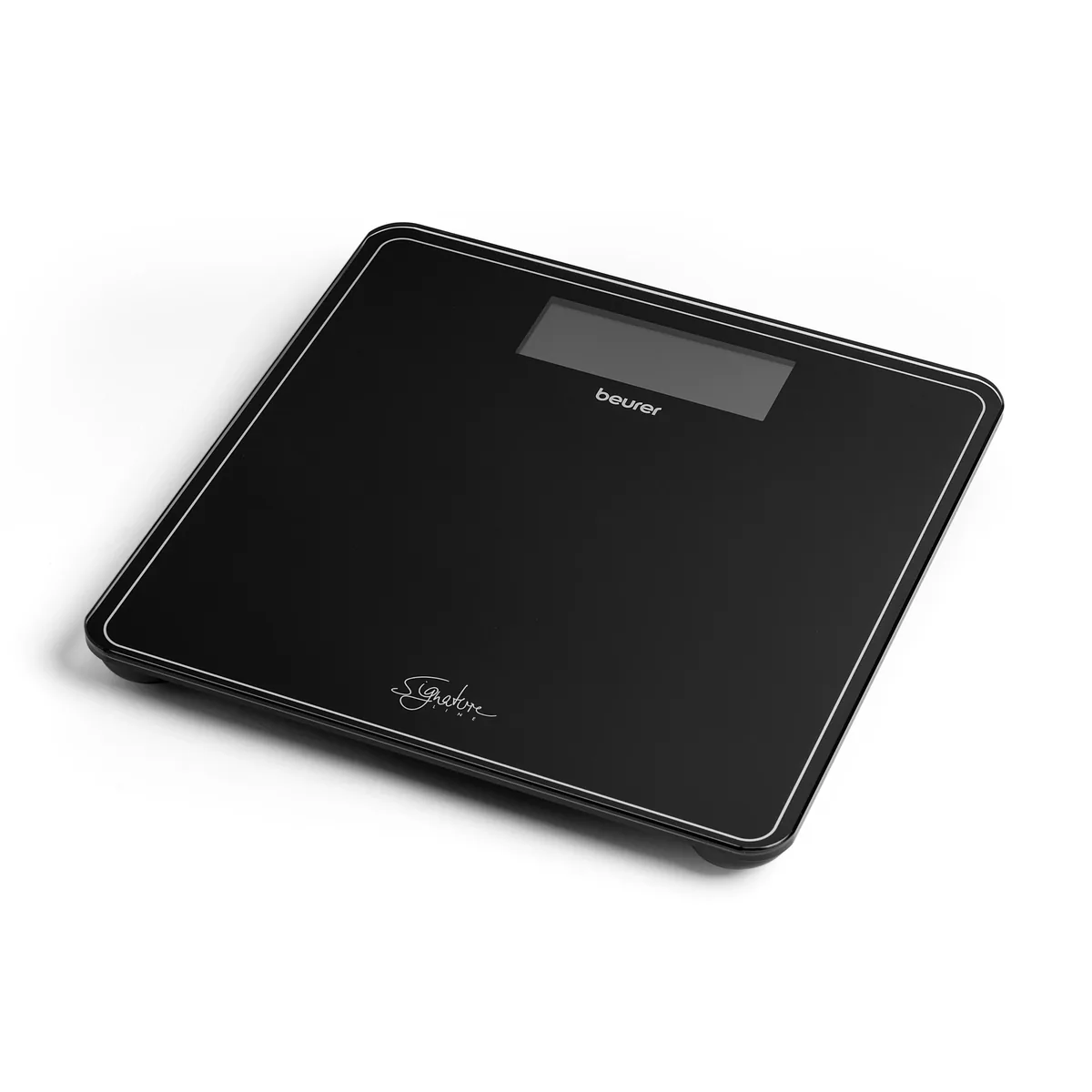
How many photos of one product do you need
For most online shops, three to five packshots per product are enough:
- the main photo from the front or at a slight angle,
- a side or back view,
- a detail of what customers want to see up close, such as the texture of a fabric, the label on a cosmetic product or the buttons on a remote control,
- the packaging, or the product next to it, if it comes in a box,
- colour variants: each colour shot in the same position so customers can compare them easily.
I deliver the photos as JPG for the web and, on request, also as PNG with a transparent background, which works well in banners or on a coloured website background. I'll prepare the size and aspect ratio to suit your shop.
Packshot or lifestyle?
A packshot shows what the customer gets. A lifestyle or creative photo shows why they should want it. They work best together: packshots carry the whole catalogue, while creative photos grab attention on social media and in ads. I write about this in more detail in Packshot or lifestyle?
How much does a packshot cost
A white-background product photo from me costs from CZK 300 per photo. Glass and glossy surfaces, which need more work with lighting and retouching, start at CZK 500. You'll find exact prices and a sample quote in my price list.
I work with online shops and brands from all over the Czech Republic. Just send me the products by courier and you'll receive the finished photos via a download link. Write to me about what you need photographed and I'll send you a no-obligation quote within 1–3 working days.